
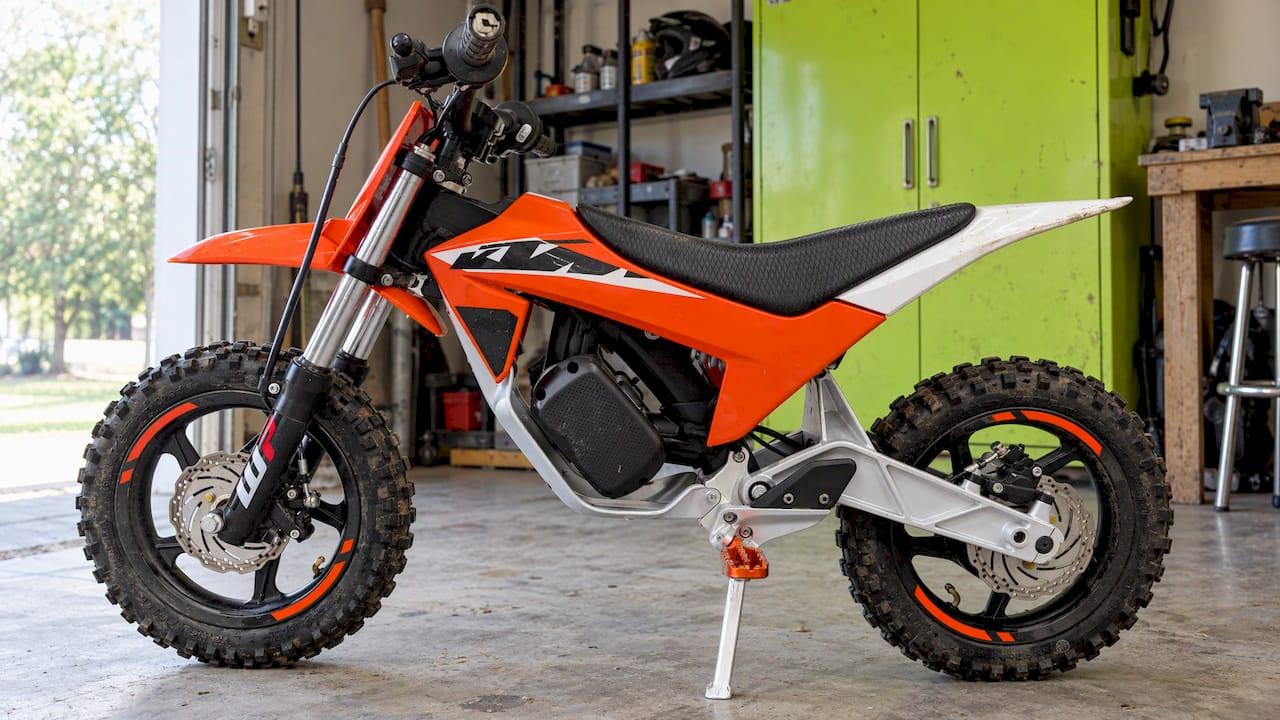
Anodized aluminum is one of the toughest finishes you can put on a motorcycle part, but it is not indestructible. The coating is grown from the aluminum itself, so it does not peel like paint. It is very hard and resists corrosion and abrasion. It can still be worn through by sustained rubbing, scratched by hard impacts, and faded if it is dyed. How long a part looks and works like new depends on four things: coating thickness, the alloy underneath, whether the color is dyed, and how you clean it. This guide explains each one in plain terms, with the numbers behind it.
TL;DR
- Anodizing converts the surface of the aluminum into a hard oxide layer, so it does not flake off like paint, and it has much higher corrosion and abrasion resistance than bare aluminum.
- Thickness matters most. Standard hardcoat is commonly specified around 2 mils (50 µm), and corrosion protection rises with coating thickness.
- Dyed colors can fade in sunlight, and the coating can be worn through by constant rubbing or crushed under point impacts.
- Wash with mild soap and water. Avoid strong alkaline or acid cleaners, which attack the coating.
- If you are having a part machined, decide the finish, alloy and thickness together with the machinist before cutting begins.
What anodizing actually does to a motorcycle part
Paint and powder coat sit on top of metal. Anodizing is different. Current is run through aluminum in an acid bath, and the outer layer of the metal converts to aluminum oxide. The American Anodizing Association describes the purpose as forming that oxide layer to protect the aluminum beneath, with much higher corrosion and abrasion resistance than bare aluminum. The same source notes that anodizing does not change the aluminum's ultimate strength, yield strength or elongation. So anodizing makes a part's surface tougher. It does not make a bent part stronger.
The process has four stages, as Products Finishing lays out: cleaning, electrolysis in an acid bath that forms a porous oxide, dyeing if you want color, and sealing the pores with hot water or steam to lock the color in and improve corrosion resistance. Most problems it traces to drift in temperature, current or bath chemistry, or to variation in the alloy and surface condition. A poorly sealed finish can turn chalky or powdery and fail corrosion tests.

Motorcycle makers use it for the same reason. Harley-Davidson's service information says anodizing is not plating but a process that makes aluminum harder and more resistant to scratches and abrasion, and that an anodized surface needs cleaning only, with no waxing required.
Why off-road riding is a hard test
A street bike's parts see weather. A dirt bike's parts see sand, gravel, mud, pressure washers and the occasional fall. A 2024 review of surface treatments for aluminum sports equipment names the main off-road threats: abrasion from sand, gravel and debris, prolonged moisture that speeds corrosion, and long-term UV exposure that can degrade surface coatings. It lists conventional sulfuric acid anodizing and hard anodizing among the methods used to improve corrosion resistance, wear resistance and surface hardness.
Those threats attack the finish in different ways, and it helps to separate them:
| Threat | What it does to anodizing | What helps |
|---|---|---|
| Sand and gravel abrasion | Wears the oxide layer down over time | Thicker hardcoat, unsealed or lightly sealed where wear is the priority |
| Moisture and salt | Attacks exposed bare metal and dirty, sheltered spots | Proper sealing, regular washing |
| Sunlight | Fades organic dyes | Darker or natural finishes, shade, UV protection |
| Hard point impacts | Can crush the softer metal under the coating | Section thickness, design, correct alloy |
| Harsh cleaners | Etch or stain the coating | Mild soap and water |
Thickness: the single biggest durability lever
The international standard for anodic coatings on aluminum, ISO 7599:2018, states that protection against pitting corrosion increases with coating thickness, so product life is very dependent on thickness. It also specifies how thickness is verified: cross-section microscopy, which is the referee method in disputes, or eddy-current measurement.
For hard anodizing, the numbers are larger than for decorative work. Micron Coatings reports hard anodizing is frequently applied at 40 to 60 µm, with hardness above 450 HV and abrasive and adhesive wear resistance comparable to hard chrome plating. The AAC's hardcoat guideline sets a default hardcoat thickness of 2 mils (50 µm) per MIL-A-8625F, measured by eddy current. For perspective, 2 mils is two thousandths of an inch, about the thickness of a sheet of thin plastic wrap.
There is a catch that matters to anyone who has parts machined. The coating grows partly inward and partly outward, so it changes dimensions, as the Surface Finishing Institute points out. A bore, thread or press fit has to be designed with that growth in mind. We cover the details in our guides to hardcoat anodize thickness and machining after coating.

Hardness is not the same as toughness
It is tempting to read "harder than tool steel" and assume a part is bulletproof. Two cautions come from the standards bodies.
First, hardness numbers do not prove wear resistance. The AAC hardcoat guideline says hardness test results cannot be used to prove wear resistance. It points to abrasion tests such as the Taber Abraser or EN ISO 8251 for wear, salt-spray testing (ASTM B117 or EN ISO 9227) for corrosion, and light-fastness tests for color durability.
Second, the coating is only as strong as what is underneath it. The AAC's technical bulletin on specifying anodized finishes describes hardcoat as "file hard" but not resistant to point pressure, because the softer substrate can be crushed through it. In riding terms: a rock strike that dents the aluminum can crack the coating at the dent, even though the coating on the flat surface nearby is fine.
Does anodizing rub off?
Not the way paint does, because there is no separate film to lift. It can still wear. A 2024 tribology study on anodized 2017A aluminum found surfaces with a 50 µm oxide layer had the lowest friction coefficients and wear rates. When damage did occur, debris detached from the layer, the oxide delaminated and the aluminum underneath was then abraded. The study also found that longer anodizing yielded thicker, harder coatings but a higher friction coefficient.
In practice, that means:
- Edges and contact points wear first. Footpeg mounts, lever pivots, clamp faces and anything that slides against something will lose color and finish before flat covers do.
- Scratches that reach bare aluminum are cosmetic first. Bare aluminum forms its own thin natural oxide, so a scuff does not mean sudden corrosion. It does mean that spot has less protection than the coating around it.
- Neglect can mar the finish without ending the part's life. AAMA 609/610 says harsh chemicals, rough conditions or neglect can mar anodized aluminum, usually without reducing service life, though the marks may be permanent.
Alloy matters as much as the coating
The oxide is grown by converting the aluminum itself, so the alloy sets the quality of the result. Micron Coatings notes coating hardness depends on the alloy. The AAC bulletin adds that 4xxx-series alloys are high in silicon and generally not anodized, and that rising copper content makes anodizing more difficult. The tribology study goes further: copper, the main additive in 2000-series alloys, disrupts formation of the anodic layer and destroys wear resistance.
For a rider, this is why two parts that both say "anodized" can age very differently. A part machined from a well-chosen alloy, finished to a specified thickness, will outlast a part where the finish was an afterthought. For machined parts, temper choice also matters; we compare options in T6 vs T6511 aluminum.
Type II, Type III and the colors you pick
There are two common types for motorcycle work. Type II is the standard sulfuric acid anodize, usually thin and well suited to color. Type III is hardcoat, thicker and harder, and the usual choice where wear is the main concern. Our guide to anodizing types walks through which to pick.
Color is where durability and looks part ways:
- Dyed colors fade. OMW Corp's reference guide says organically dyed colors are not absolutely colorfast and fade to some degree, dramatically outdoors. The AAC FAQ agrees that many dyes are susceptible to sunlight and may fade or change color.
- Reds, blues and purples are the usual suspects. A part that lives in a garage fades more slowly than one parked in the sun every weekend. Keeping your bike shaded and applying a UV-protective product helps; this overview of protecting motorcycle finishes from UV damage explains the basics.
- Natural or dark finishes hide wear. Clear and black hardcoat show scuffs less, and a scratch that exposes bare aluminum is less obvious.
- Color can vary between batches. Dye uptake depends on alloy and oxide thickness, so matching colors across parts made at different times can be hard.
Caring for anodized parts
Maintenance is simple, and it is where most owners lose or save years of finish.
- Wash with mild soap and water and a soft cloth. The MAPI cleaning guide recommends mild soap solutions and soft cloths or sponges, and warns against strong acid or alkali cleaners.
- Avoid lye, ammonia-based cleaners, and anything strongly acidic. OMW notes anodizing is damaged by strong alkalines and strong acids, while organic solvents like alcohol or acetone are safe for cleaning. AAMA adds that alkaline materials such as mortar or cement will quickly corrode the coating if allowed to dry on it.
- Do not let grit sit. The AAC says dirty surface deposits can provide corrosion sites, particularly when acidic. A motorcycle insurer's winter-riding advice says road grit, grime and bugs eat away at anodized surfaces and recommends regular washing where salt or brine is used.
- Clean recesses. The MAPI guide recommends cleaning at least six times a year in coastal salt-spray or heavy-pollution areas, with extra attention to sheltered spots. After a muddy ride, that means the area behind clamps and around fasteners.
- Skip steel wool and abrasive pads. They remove the very layer you are protecting.
Harley-Davidson's guidance is that an anodized surface does not need waxing. A final wash and a coat of wax before long storage is still a sensible habit that the winter-riding advice above recommends.
How to judge an anodized part before you buy
You cannot see thickness by looking, so ask for what can be stated:
- Type and thickness. Type III hardcoat to roughly 2 mils is a different part from a thin decorative Type II coat.
- Alloy. A low-copper, anodize-friendly alloy gives a better finish.
- Sealing choice. The Surface Finishing Institute explains hardcoat should stay unsealed where wear is primary, unless sealing is specifically required, because under-sealing leaves too much porosity and over-sealing can cause bloom, smut, color loss or dimensional change.
- What is masked. Threads, bores and electrical contact points are often masked or machined after coating. Our note on anodize masking and cut rework shows what that involves.
- Other finishes. If a part needs conductivity or corrosion protection without dimensional growth, a chemical conversion coating may fit better; see Alodine vs anodize.
Where durability starts: how the part is made
A finish only protects what is under it. A kickstand carries the weight of a bike on a small footprint. A handlebar mount sits in a vibration path. These parts reward good machining, correct threads and clean geometry before any coating question comes up. If you are designing a part with threaded holes in aluminum, see our notes on aluminum thread design, tapping aluminum and threadlocker on aluminum.
Our view from the shop
We design and CNC-machine motorcycle parts in Athens, Alabama, and every part ships from one shop where the machinist who designs it also builds it. That shapes how we think about durability.
Finish is a design decision, not a last step. Alloy, wall thickness, thread depth and coating growth all interact, so we like these questions settled together, before any metal is cut. When a part is machined, coated and then reworked, tolerances suffer.
For riders, the practical advice is the same as in the sources above: ask what type and thickness a finish is, wash parts with mild soap, keep dyed colors out of constant sun and expect the contact points to show wear first. For engineers and teams who need parts or fixtures, direct access to the machinist means finish questions get answered by the person holding the drawing.
Drake
A durable stand for your electric mini
If you ride a KTM SX-E 2, GASGAS MC-E 2 or Husqvarna EE 2, our E2 Kickstand is a CNC-machined, bolt-on alternative to the factory triangle stand, priced at $100–$105. If you are an engineer, designer or small manufacturer who needs a prototype, a short run, or fixtures and brackets, you can reach the machinist directly through the Flying Chip Factory site.
Bring your drawing and tell us how the part will be used. Fit, alloy and finish are easier to settle in one conversation than across several hand-offs.
FAQ
Is anodized aluminum durable enough for off-road motorcycle parts?
Yes, when the coating is thick enough and the alloy suits anodizing. Hard anodizing is used to extend the life of mechanical components in automotive and motorcycle applications, and Micron Coatings reports corrosion resistance beyond 1,000 hours of neutral salt spray. Sustained abrasion and hard point impacts can still wear or crack it.
Does anodizing rub off?
It does not peel or flake like paint, but it can wear away at contact points and be scratched through to bare aluminum. Thicker hardcoat wears more slowly. Dyed color can also fade in sunlight before the coating itself is gone.
How should I clean anodized motorcycle parts?
Use mild soap, water and a soft cloth. Avoid strong alkaline or acidic cleaners, steel wool and abrasive pads. Rinse grit and mud off promptly, especially after salt or brine exposure.
Does hardcoat anodizing make a part stronger?
No. The AAC states anodizing does not change aluminum's ultimate strength, yield strength or elongation. It improves surface hardness, wear and corrosion resistance. Part strength comes from alloy, design and machining.
Sources
- Aluminum anodizing: clear and hard, ISO 7599 and 10074
- Harley-Davidson service information on anodized surfaces
- A Conclusive FAQ Guide for Anodized Aluminum, AAC
- AAMA 609 & 610-15
- Understanding and Specifying Anodizing, OMW Corp
- Advancements in surface treatments for aluminum alloys in sports equipment, 2024
- ISO 7599:2018
- Severe Friction Solicitation: The Effect of Anodizing, ETASR 2024
- AAC Standard for Hard Coat Anodizing Finishes
- Anodising Knowledge, Surface Finishing Institute
- AAC Technical Bulletin: Specifying Anodized Finishes on Aluminum
- Aluminum Anodizing: From Process to Performance, Products Finishing
- How to Protect Your Motorcycle During Winter Weather Riding
- MAPI Cleaning and Maintenance Guide 2023
- How to Protect Motorcycle Paint from UV Damage