
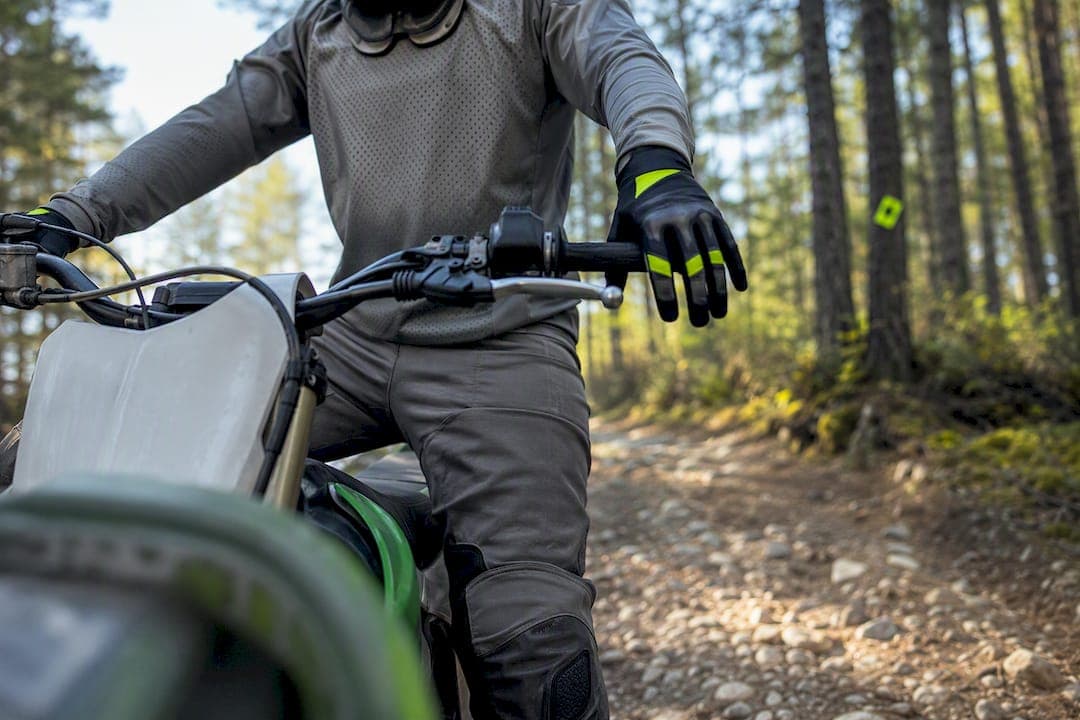
Arm pump is almost always chronic exertional compartment syndrome (CECS), a buildup of pressure inside the forearm muscles that happens when you grip too hard for too long. The fastest fixes are mechanical, not medical: relax your grip, shift your weight onto your legs and core, and cut down the vibration reaching your hands through setup or hardware changes. If your forearms go rock hard and your fingers start losing feeling, that's your body telling you to pull off before you lose control entirely.
TL;DR:
- Enhancing body position to absorb impacts through standing and soft suspension can significantly delay the onset of arm pump.
- Training grip endurance with exercises like deadhangs and farmer carries is more effective for pump reduction than increasing forearm strength alone.
- Hydrating properly with electrolyte drinks several hours before riding, especially on hot days, helps prevent pump and muscle fatigue.
- Technique modifications, such as relaxing grip and riding with light hands and heavy feet, usually outperform hardware or surgical solutions.
- Hardware improvements like vibration isolating handlebar mounts can further reduce forearm involuntary clamping when combined with correct riding habits.
What Is Arm Pump (CECS) and Why It Happens
Chronic exertional compartment syndrome is the clinical name for what riders call arm pump, and it's a real, documented condition, not just soreness. Your forearm muscles sit inside stiff fascial compartments, tight sheaths of connective tissue that don't stretch much. When you grip a handlebar hard for an extended stretch, blood flow into those muscles increases, but the fascia won't expand to match it. Pressure builds inside the compartment faster than it can drain, and that's what the medical literature on compartment syndrome describes as the core mechanism behind the pain and loss of function riders feel mid-moto.
The timeline is predictable once you know what to look for.
- Minutes 1 to 10: forearms feel normal, grip is strong
- Minutes 10 to 20: a dull ache builds, especially on rough terrain or long straights where you're gripping constantly
- Minutes 20 and beyond: forearms harden, fingers start to curl involuntarily, and fine motor control for the clutch and front brake starts to disappear
That last stage is the dangerous one. You can still twist the throttle, but you can't feather the brake lever the way you need to, and that's when riders start missing braking points or losing the bike in whoops.
Causes and Contributing Factors Riders Can Control
Most arm pump traces back to a handful of overlapping habits, and the good news is that every one of them is something you can change without buying anything.
Grip tension is the biggest lever. Riders often squeeze the bars far harder than the bike actually requires, partly out of nerves and partly out of a reflex called the tonic vibration reflex (TVR), where high-frequency vibration through the grips triggers your forearm muscles to clamp down involuntarily. The more chatter reaching your hands, the more your forearms fight it without you consciously choosing to.
Body position matters just as much:
- Sitting through rough sections instead of standing forces your arms to absorb impacts that your legs should be handling
- Death-gripping the bars while seated multiplies forearm load compared to standing with bent knees and elbows
- Running suspension too stiff or tire pressure too high sends more high-frequency chatter straight into your hands instead of letting the chassis absorb it
Dehydration and poor breathing compound all of it. Riders who hold their breath through technical sections (a common unconscious habit under stress) restrict oxygen to working muscles right when they need it most, and dehydration thickens blood in a way that some riders find worsens pump on long, hot motos, according to guidance from Racer X on beating arm pump and cramps. Fatigue late in a moto tends to make grip tension worse, not better, since tired riders instinctively clamp down harder to compensate for shaky control.
Symptoms, Severity, and When to Worry
Not every tight forearm is an emergency, but you need to know the difference between normal pump and something that needs a doctor's attention.
Typical arm pump symptoms follow a pattern:
- A burning or aching sensation that builds gradually rather than hitting suddenly
- Forearms that feel visibly swollen and are hard to the touch, almost like a flexed muscle that won't relax
- Fingers that feel weak or clumsy on the levers, even though you can still close your hand
- Symptoms that ease within 15 to 30 minutes once you stop riding and stretch
That last point is the key test. Ordinary pump fades relatively fast once the ride stops. If your forearm stays hard, painful, or numb for hours afterward, or if you get persistent tingling and weakness that doesn't resolve overnight, that's outside the normal pump pattern. Numbness that spreads into your fingers, pain that wakes you up, or grip weakness that lingers into the next day are the signals worth getting checked by a physician familiar with compartment syndrome rather than waiting it out.
In-Ride Fixes You Can Use Right Now
When pump starts building mid-moto, you have a short window to reverse it before it takes over. Work through this sequence in order.
- Loosen your grip immediately. Consciously relax your fingers, especially your pinky and ring finger, which tend to clamp hardest without you noticing.
- Switch to one- or two-finger braking where the terrain allows it, so your whole hand isn't locked around the lever.
- Stand up and pinch the bike with your knees. Let your legs absorb the bumps instead of your arms, which is the single biggest load transfer you can make in real time.
- Take a conscious breath. Riders under stress hold their breath without realizing it, and a deliberate exhale through a rough section resets that pattern.
- Shake out your hands for a second on a straightaway if you can spare it, then re-grip lightly.
- Sip an electrolyte drink at the next opportunity, particularly on hot days or motos past the 20 minute mark.
Pro Tip: Practice the "light hands, heavy feet" cue on smooth trail before you need it in a race. If you only think about it mid-moto when your forearms are already locking up, it's too late to build the habit.
Coaching programs that emphasize an attack stance and deliberately light grip pressure report riders resolving arm pump without ever touching a scalpel, according to The Moto Academy's technique-focused approach. Technique fixes are free, they work in real time, and they should be the first thing you try before assuming you need new parts or a doctor.
Bike Setup Changes That Take Load Off Your Forearms
Technique gets you most of the way, but your bike is either helping or fighting you every second you're on it. A few setup changes make a measurable difference in how much force reaches your hands.
- Lever angle: Set your clutch and front brake levers so your wrist stays neutral (flat, not bent up or down) when you're standing in the attack position, not when you're sitting. Most riders set levers while seated and then stand up to ride, which puts the wrist at an awkward angle for the entire moto.
- Grip thickness and compound: Thinner grips let smaller-handed riders close their fingers with less muscle effort, and softer compounds absorb a bit of vibration before it reaches your palm. Test a size down if you're gripping harder than feels necessary just to get full wrap.
- Suspension tuning: Softening low-speed compression and dialing in rebound reduces the high-frequency chatter that gets transmitted through the chassis into the bars, a point echoed by suspension specialists at Cane Creek's guide on hand fatigue.
- Tire pressure: Running pressure too high skips the tire's ability to absorb small bumps, passing that energy straight up through the forks and into your grips.
- Bar damping: Isolating the handlebar mount from direct frame vibration lowers the tonic vibration reflex that makes your forearms clamp involuntarily, a mechanism Enduro Wow's prevention guide points to directly as a reason vibration control matters as much as technique.
None of these changes fix bad habits on their own, but stacked with better technique, they lower the baseline load your forearms have to fight every lap.
Training That Actually Raises Your Pump Threshold
Most riders assume the fix for arm pump is bigger forearms. It isn't. Grip endurance, not grip strength, is what raises the point at which your forearms start failing, and training programs built around endurance consistently outperform hypertrophy-focused lifting for reducing pump, according to MBR's breakdown of arm pump causes and prevention.
- Deadhangs: Hang from a pull-up bar for time, building toward multiple sets of 30 to 60 seconds. This trains your grip to hold tension without cramping, which is exactly what riding demands.
- Farmer carries: Walk holding heavy weights at your sides for distance or time. It builds the same sustained grip endurance your forearms need on a 20-minute moto.
- Rice bucket holds: Dig your hands into a bucket of dried rice or beans and hold tension for reps. Cheap, low-impact on joints, and effective for grip stamina.
- Band opens: Use a light resistance band to open your fingers against resistance, training the extensor muscles on the back of your forearm that flexor-dominant grip work ignores entirely.
- Standing-only intervals on the bike: Ride sections you'd normally sit through while forcing yourself to stay standing, rebuilding the muscle memory for weight-on-legs riding.
- Attack-position drills: Practice holding a proper attack stance, knees bent, elbows up, light hands, through increasingly rough terrain until it becomes automatic rather than something you have to remind yourself of.
Pro Tip: Balance every flexor exercise (deadhangs, carries) with an equal amount of extensor work (band opens). Riders who only train grip strength often make pump worse, because they're building the muscles that clamp down without training the ones that release.
Hydration, Electrolytes, and What Supplements Actually Do
Hydration is the cheapest test you can run before assuming you need new parts or surgery. Start hydrating 24 to 48 hours before a moto or race day, not the morning of, and lean on sodium-rich electrolyte mixes rather than plain water once you're riding.
- Begin fluid and electrolyte loading a full day or two ahead of race day, not just before you suit up
- Sip a balanced electrolyte drink during rides longer than 20 to 30 minutes, especially in heat
- Sodium specifically supports fluid retention and nerve function, which is why plain water alone sometimes underperforms electrolyte mixes for pump resistance, per Racer X's cramp-prevention guidance
Some riders experiment with dietary nitrates (beet juice) or citrulline timed a few hours before riding, chasing improved blood flow, but the evidence behind these for arm pump specifically is thin at best. Treat any supplement claim with skepticism, and if you want to test one, do it on a practice day, not at a race, so an unexpected reaction doesn't cost you results or safety.
When Arm Pump Needs a Doctor, Not Just a Setup Change
If technique and setup changes haven't moved the needle after a genuine trial, compartment pressure testing is the objective next step. A physician measures pressure inside the forearm compartments before and after exertion, which tells you definitively whether you're dealing with CECS rather than simple fatigue or a nerve issue that mimics it.
- Compartment testing gives a measurable pressure reading, removing the guesswork
- Fasciotomy, a surgical release of the fascia, is sometimes recommended for severe, refractory cases and has a long track record among elite racers, as Motocross Action's coverage of arm pump has documented for years
- Recovery and outcomes vary rider to rider. Surgery is irreversible, and pairing objective pressure testing with a documented trial of conservative treatment first tends to produce better-informed decisions, based on the clinical literature on CECS
- Reasonable checklist: exhaust technique changes, setup changes, and a hydration trial for several rides before considering surgical referral, unless numbness or persistent weakness shows up sooner
The Engineering Side: Why Vibration Control Matters
Less vibration reaching your hands means less involuntary forearm clamping, full stop. That's the tonic vibration reflex at work, and it's why hardware, not just habit, plays a role in pump.
- Isolated bar mounts reduce the high-frequency chatter transmitted from the front end into your grips, cutting down on reflexive muscle contraction
- Consistent, precisely machined ergonomics (lever position, clamp fit, bar height) matter because inconsistent hardware forces small unconscious grip corrections all moto long
- Durable, low-maintenance components matter too. Hardware that flexes or loosens under repeated impact changes your ergonomics mid-ride without you noticing
- Practical next step: test a softer grip compound first since it's cheap, then evaluate a staged hardware change like a damped bar mount if chatter is still reaching your hands
Fit references like the SX-E 2 aftermarket parts guide walk through what a staged upgrade path looks like for riders on electric mini dirt bikes specifically.
Common Mistakes That Make Arm Pump Worse
Riders sabotage their own recovery in a few consistent ways, and most of them come from good intentions applied wrong.
Overgripping out of fear is the biggest one. New or nervous riders squeeze the bars harder when the terrain gets scary, which is the exact opposite of what the situation needs. Fear-driven grip tension often causes more pump than the terrain itself does.
Skipping warm-ups is another. Riders who go straight from the truck to full-speed laps never give their forearms a chance to prime blood flow gradually, and cold muscles cramp faster under sustained load than warmed-up ones.
Training forearm strength in isolation, with heavy wrist curls or grip trainers aimed at raw strength rather than endurance, builds bulk that can actually make compartments tighter, worsening pressure buildup rather than helping it. Riders chasing a stronger-looking forearm sometimes make their actual on-bike problem worse.
Ignoring early symptoms is the most common mistake of all. Riders who push through the first ache instead of adjusting grip or stance immediately let pump snowball past the point where a quick fix works, forcing them to stop entirely instead of riding through with a minor adjustment.
Finally, riding on stiff suspension or overinflated tires because "it feels faster" sends more chatter into the hands than most riders realize, quietly working against every other fix they're trying.
Long-Term Rehab and Physical Therapy Options
For riders who've dealt with recurring pump for a full season or longer, rehab work beyond basic grip training helps close the gap between "manageable" and "gone." A physical therapist familiar with forearm compartment issues can assess whether your flexor-to-extensor strength ratio is lopsided, which is common in riders who've only ever trained grip strength without balancing it.
Manual therapy techniques, including myofascial release and targeted forearm massage, can improve tissue flexibility over weeks of consistent work, though results vary by rider and consistency of practice. Progressive loading programs, gradually increasing hang and carry times over 6 to 12 weeks rather than jumping straight to long holds, tend to build durable tolerance instead of triggering flare-ups.
Riders recovering from a fasciotomy have a different rehab path entirely. Post-surgical rehab typically starts with gentle range-of-motion work in the first couple weeks, followed by a graduated return to grip loading over several more, though timelines vary considerably based on the individual and how conservatively the surgeon manages the return to riding. Rushing back to full moto intensity before tissue has properly healed is one of the more common regrets riders report after surgery.
The throughline for any rehab plan, surgical or not, is patience with progressive loading rather than jumping straight back to race pace the week symptoms ease.
Compression Gear and Wearable Aids
Compression sleeves and forearm bands are popular among riders looking for an easy add-on fix, and the appeal makes sense: they're cheap, require no bike changes, and some riders report a genuine sense of improved circulation and reduced swelling sensation during use.
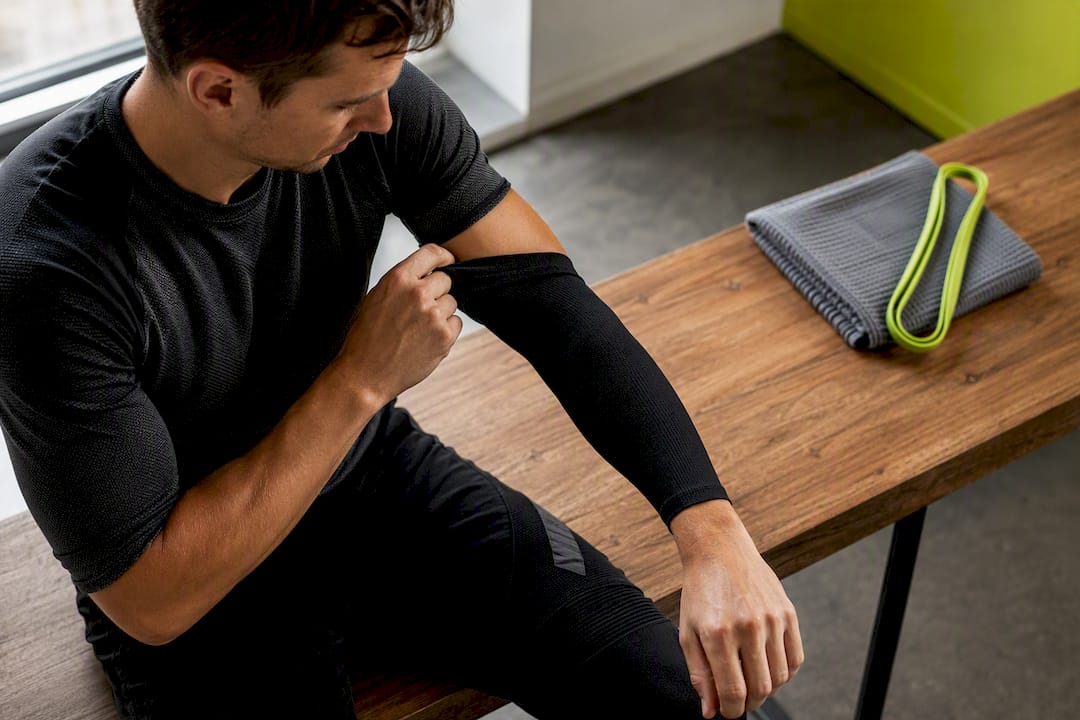
The honest picture is mixed. Compression gear can help some riders feel like their forearms fatigue a little slower, likely through mild swelling control and proprioceptive feedback (the sense of where your arm is in space), but it's not a substitute for fixing grip tension or bike setup. Riders who rely on a compression sleeve while still death-gripping the bars are treating a symptom while ignoring the cause.
Where compression gear tends to help most is as a supplementary tool during recovery days or lower-intensity practice, not as the primary fix during a race where grip demands spike. If you try one, treat it as a small edge stacked on top of technique and setup work, not a replacement for either.
Alternative and Emerging Approaches Worth Knowing About
A few less conventional approaches show up in rider discussions and deserve a mention, with appropriate caveats about how much evidence actually backs them.
Massage therapy and myofascial release, whether from a professional or with a foam roller and lacrosse ball at home, can improve short-term tissue flexibility for some riders, though the effect tends to be temporary without consistent maintenance. Acupuncture gets occasional mentions in rider communities for muscle tension relief, but there's little formal evidence specific to CECS to back it as a targeted treatment.
Blood flow restriction training, a method that uses bands to partially restrict circulation during low-load exercise, is gaining attention in strength and conditioning circles for building endurance without heavy loads, and some riders have started experimenting with it for forearm conditioning specifically. It's promising in concept but still early in application to motocross-specific pump prevention, so treat it as something to explore cautiously rather than a proven fix.
Rider forums remain one of the best real-world sources for what's actually being tried, with plenty of community discussion around long-term arm pump improvement documenting which combinations of technique, training, and gear changes actually stuck for riders over multiple seasons.
What Actually Moved the Needle in Testing
Of every change tested across different riders and setups, the combination that produced the fastest, most repeatable relief was standing position plus conscious breathing plus a small damping adjustment at the bars, in that order. Technique alone helps most riders. Adding a hardware change that cuts high-frequency chatter tends to buy back the last stretch that technique alone can't fix.
One useful pattern from anonymized testing: a rider who consistently pumped up around the 15-minute mark on rough tracks reported the ache pushing past 25 minutes after combining a standing-only riding block with softened low-speed compression, no grip or lever changes involved. That's a modest gain, but on a 20-minute moto, it's the difference between finishing strong and fading in the last laps.
Track what you change, one variable at a time, and give each change at least two or three rides before judging it. Riders who swap grips, suspension, and technique all in the same weekend usually can't tell which fix actually worked.
— Drake
Where Flying Chip Factory Fits Into Your Setup
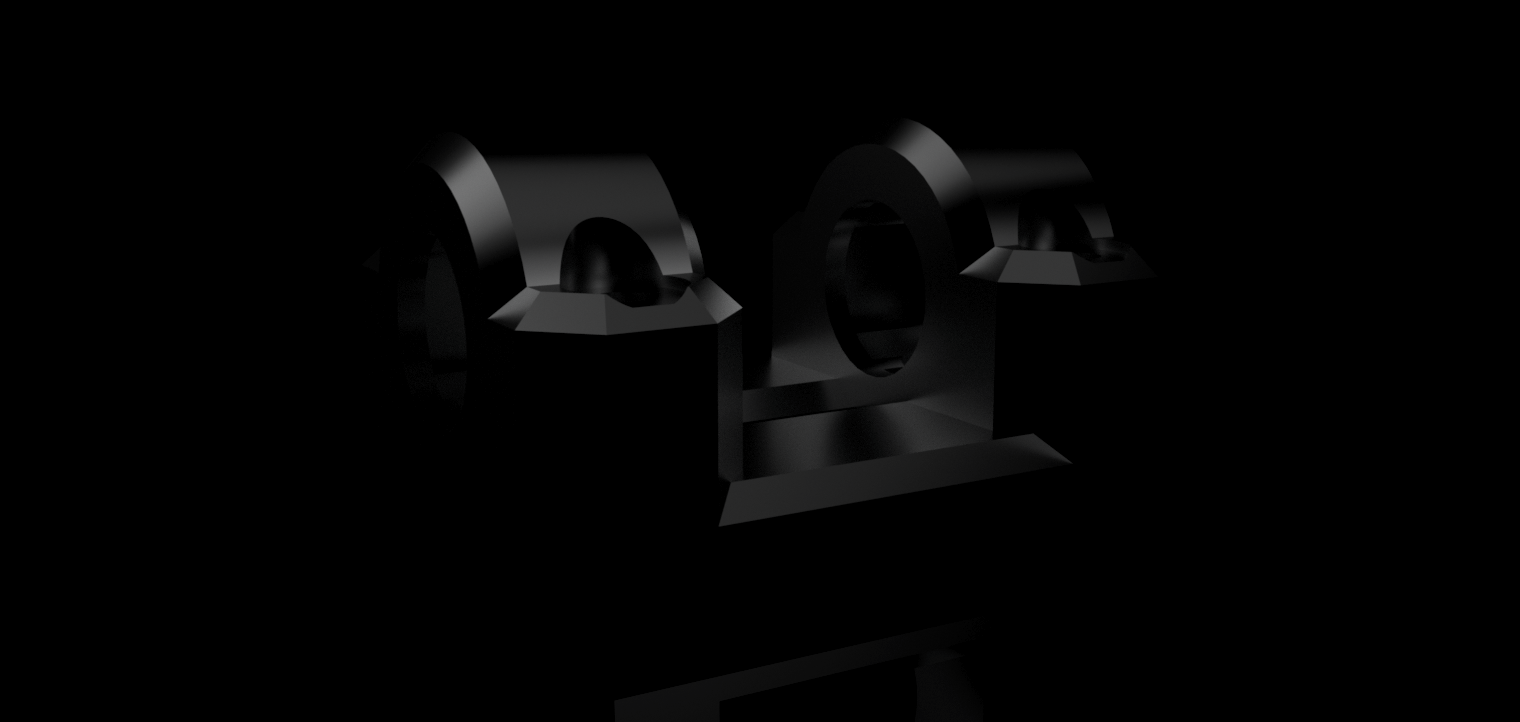
If chatter through the bars is part of your pump problem, Flying Chip Factory gives you a way to attack that specific piece without guessing. The BDE Bar Mount system is a 1 1/8 inch isolated handlebar mount built to cut vibration and soften hard hits at the bars while keeping the precise steering feel riders need in technical sections, the opposite trade-off you get with cheap rubber dampers that mush out your feel for the front end.

Every part comes off CNC machines at the shop in Athens, Alabama, built by riders who test on the same terrain that causes the problem in the first place. Consistent tolerances matter here: hardware that flexes or wears unevenly changes your ergonomics mid-moto without you noticing, which is exactly the kind of small, invisible drift that makes pump worse over a season. If you're already running one of the supported electric mini dirt bikes, the E2 Kickstand fit guide shows what a staged hardware upgrade path looks like model by model. Check current availability and specs at Flying Chip Factory before your next setup change.
Sources
- PubMed: chronic exertional compartment syndrome literature
- The Moto Academy: How to Fix Arm Pump Without Surgery
- Enduro Wow: Arm pump prevention and treatment guide
- Racer X: How to immediately beat arm pump and muscle cramps
- MBR: How to stop arm pump — causes and prevention